
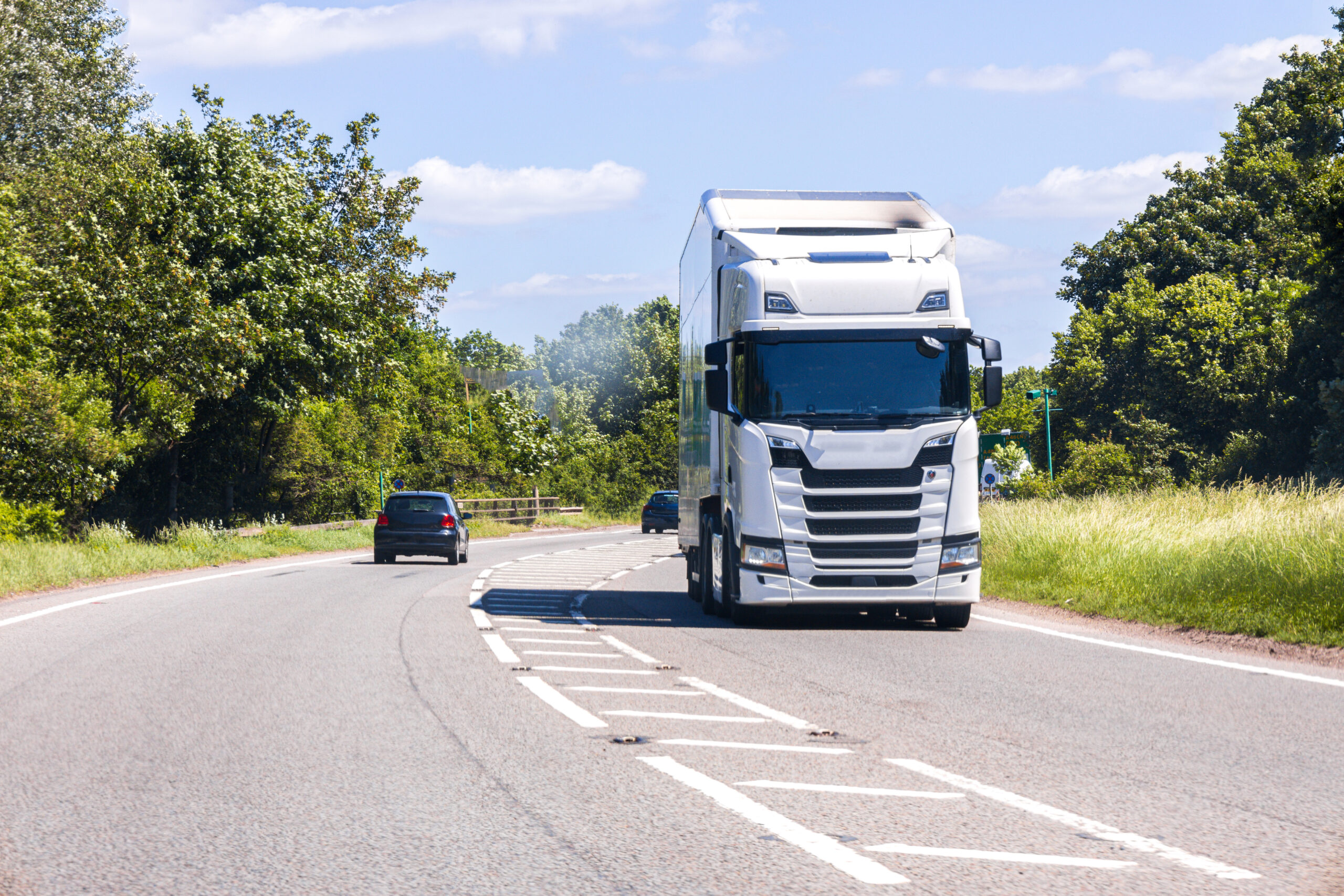
Lorry Air Lines Explained





Table of Contents
Lorry air lines are essential for the optimal braking performance of a Heavy Goods Vehicle. But what actually is a lorry air line, and what are the differences between the varying types?
Keep reading as HGV Training Network breaks down all the necessary information and explains how our experts are here to help.

What is a lorry air line?
A lorry air line, sometimes referred to as a “Suzie”, is a type of pipe or hose that is used regularly by HGVs.
They can connect a vehicle and trailer to ensure that braking and suspension on both parts are synchronised.
These pieces of equipment are often used to operate a pneumatic braking system by moving sufficient air pressure around the system – from the air compressor to the brake systems. These pneumatic systems mean that it heavily relies on compressed air to signal braking, meaning lorry air lines are essential for operation and safety.
An air line’s design features a flexible coiled tube and can vary in colour, depending on function. They’re usually crafted from materials like polyamide (nylon), reinforced rubber, and polyurethane (PU), to name a few. Renowned for their durable, high-pressure, and temperature-resistant properties, they’re designed to meet Department for Transport standards for optimal safety and efficiency.

Different types of lorry air lines explained
Throughout the UK and Europe, the most regularly used lorry air lines are the red and yellow lines, but what’s the difference, and what do they actually do?
Red line
Red lorry air lines are used as the service line – this is the main air line.
Essentially, they control the service brakes to ensure that the compressed air that’s used as a braking force is applied from the operating vehicle to the trailer.
Yellow line
The yellow line is also known as the emergency or supply line.
Connecting the vehicle’s footbrake and handbrake to the trailer, the yellow line provides a continuous air supply to the trailer.
The yellow line acts as a backup in the event of a failed red line and maintains the parking brake. Examples of this can include a loss of air flow, compromising the brake supply.
In the event of this, users can be assured that brake pressure is maintained and engaged, and the vehicle should remain safe. it can also refer to heavy-duty, larger vehicles, such as HGVs, used to relocate mass goods for businesses, similar to the UK.

HGV Training Network
If you’re taking part in your HGV driver training, understanding key components of a vehicle, such as lorry air lines, is vital for a successful career.
HGV Training Network provides comprehensive training in both theoretical and practical modules. Our team consists of experienced and qualified drivers who are committed to building a solid foundation for students.
With over 50 location centres throughout the UK, career help with recruitment links, and flexible finance plans are available, we make a fruitful and prosperous career as accessible as possible.
Ready to embark on a rewarding career in HGV driving? Get in touch today.